
New insights into spinocerebellar ataxia with our anti-ISG15
Homma, H., Yoshioka, Y., Fujita, K. et al. Dynamic molecular network analysis of iPSC-Purkinje cells differentiation delineates roles of ISG15 in SCA1 at the earliest stage. Commun Biol 7, 413 (2024).
This paper investigates the earliest molecular pathology of spinocerebellar ataxia type 1 (SCA1) and provides insights into the molecular mechanisms underlying SCA1 pathology.
It identifies key genes and pathways involved in SCA1, suggests potential biomarkers and therapeutic targets, and highlights the importance of early-stage molecular analysis in neurodegenerative diseases.
Our anti-ISG15 TripleA Polyclonal antibody (HPA004627) was used in several assays and crucial in detecting and quantifying the expression of ISG15 protein in various samples, including tissue lysates and plasma, providing valuable insights into the role of ISG15 in SCA1 pathology:
- anti-ISG15 in WB: used to immunoprecipitate ISGylated proteins from post-mortem cerebellar tissues (normal control and SCA1 patients) that were then analyzed by WB.
- anti-ISG15 in IHC: staining of cerebellar sections from SCA1 patients and control individuals to visualize and localize ISG15 expression in Purkinje cells.
- anti-ISG15 in ELISA: to measure the levels of ISG15 in human plasma samples.
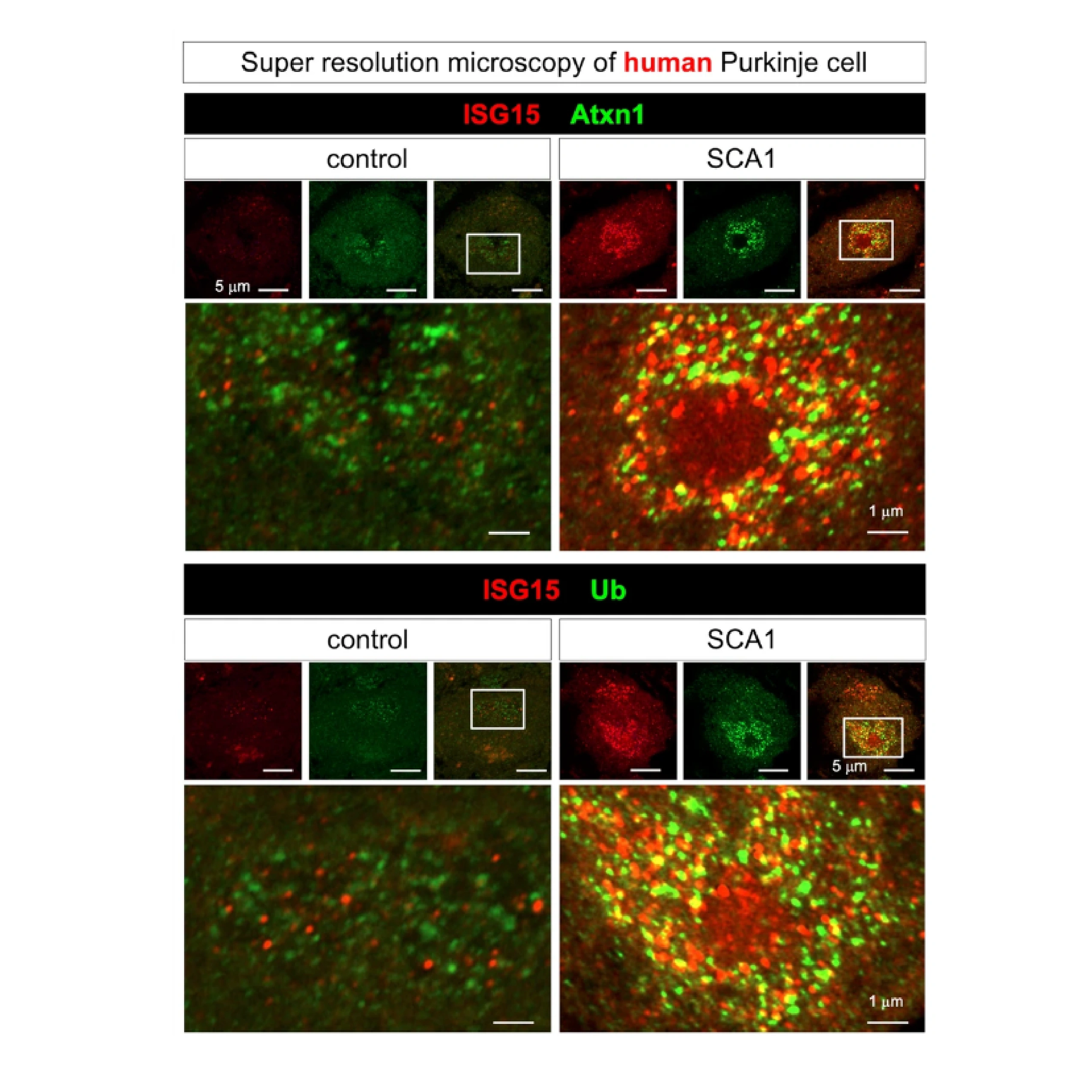
The study may pave the way for similar investigations into the earliest pathologies of other neurodegenerative diseases and contribute to the prevention of neurodegeneration in the future.
Additionally, the paper provides insights into the pathogenesis and potential therapeutic targets for Alzheimer's disease (AD).
Read full article here.